6501 Sprott St #1, Burnaby, BC V5B 3B8, Canada
 604-294-3376
TL;DR
Physiotherapy for frozen shoulder takes a gradual, three-phase approach that reduces stiffness through gentle manual therapy, progressive exercises, and patient education. This evidence-based treatment method respects the natural healing timeline while actively supporting mobility restoration and pain relief without rushing recovery.
………………………………………………………………………………………………………………………………………………………………………………………………………….
Frozen shoulder affects your ability to reach for a coffee cup, brush your hair, or sleep comfortably through the night. This condition, which restricts shoulder movement and causes significant pain, requires a thoughtful approach to recovery that honours your body’s natural healing process.
At our clinic, we understand that frozen shoulder recovery isn’t about pushing through pain or forcing rapid improvement. Instead, we focus on supporting your body’s gradual return to function through evidence-based physiotherapy techniques that work with your healing timeline, not against it.
What Is Frozen Shoulder and How Does It Progress?
Frozen shoulder, medically known as adhesive capsulitis, occurs when the shoulder capsule becomes thick and tight, severely limiting movement. Research shows this condition progresses through three distinct phases, each requiring different therapeutic approaches.
The freezing phase typically lasts 6-9 months and brings increasing pain with progressive loss of motion. During the frozen phase, which lasts 4-12 months, pain may decrease, but stiffness reaches its peak. The thawing phase, lasting 12-42 months, sees a gradual return of shoulder motion.
Understanding these phases helps explain why gradual recovery is essential. Your shoulder tissue needs time to heal and remodel, and rushing this process through aggressive treatment often leads to increased pain and prolonged recovery times.
How Does Physiotherapy Support Your Recovery Journey?
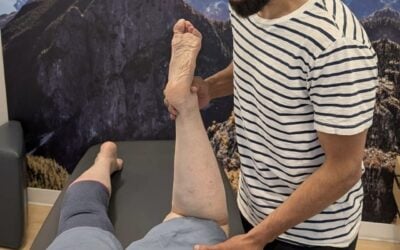
Physiotherapy for frozen shoulder treatment in Burnaby begins with a comprehensive assessment to determine which phase you’re experiencing and what limitations you’re facing in daily activities. We evaluate your pain levels, range of motion, and functional goals to create a treatment plan that matches your current needs.
Our approach combines hands-on manual therapy techniques with carefully progressed exercises and education about your condition. Evidence demonstrates that physical therapy interventions significantly improve pain and function in frozen shoulder patients when applied appropriately to each recovery phase.
We work collaboratively with you to ensure treatment feels manageable and builds confidence in your recovery. This partnership approach helps you understand what to expect and how to actively participate in your healing process.
What Does the Step-by-Step Recovery Process Look Like?
The gradual recovery process follows a systematic progression that respects your tissue healing while actively promoting improvement.
Early Phase: Pain Management and Gentle Mobilization
During the initial freezing phase, we focus on pain relief and maintaining whatever motion remains available. Treatment includes gentle joint mobilization, soft tissue techniques, and carefully selected range-of-motion exercises that don’t aggravate your symptoms.
We teach you positioning strategies for sleeping and daily activities, along with gentle pendulum exercises and supported stretches that you perform within your comfort zone.
Middle Phase: Progressive Stretching and Strengthening
As pain begins to subside but stiffness remains significant, we gradually introduce more specific stretching exercises and begin gentle strengthening activities for the muscles supporting your shoulder.
This phase requires careful monitoring to ensure we’re challenging your tissues appropriately without causing setbacks. We adjust exercise intensity and range based on your daily response to treatment.
Late Phase: Functional Movement Restoration
During the thawing phase, we emphasize functional exercises that prepare you for a return to normal activities. This includes reaching patterns, lifting activities, and sport-specific movements if applicable to your goals.
We continue monitoring your progress and adjusting your program to ensure steady improvement without overwhelming your recovering tissues.
How Do Home Exercises Support Your Professional Treatment?
Your home exercise program plays a crucial role in maintaining progress between physiotherapy sessions. We provide you with specific shoulder mobility exercises in Burnaby that complement your in-clinic treatment and help accelerate your recovery timeline.
These exercises are carefully selected based on your current phase of healing and functional level. Early exercises might include gentle pendulum swings and supported stretches, while later phases incorporate more dynamic movements and strengthening activities.
Consistency with your home program helps maintain the gains achieved during your physiotherapy sessions and provides you with tools to manage your symptoms independently. We ensure you understand proper technique and warning signs that indicate when to modify or pause your exercises.
How Does Physiotherapy Provide Pain Relief?
Physiotherapy offers multiple approaches to managing frozen shoulder pain that reduce your reliance on medications while supporting natural healing processes.
Manual therapy techniques, including gentle joint mobilization and soft tissue work, help reduce muscle tension and improve circulation to the affected area. Current research supports the use of these hands-on techniques for pain management in frozen shoulder.
We also incorporate therapeutic modalities such as heat therapy to relax tight muscles and cold therapy to manage acute pain episodes. Education about proper sleeping positions, activity modifications, and self-care strategies empowers you to manage symptoms between appointments.
| Recovery Phase | Primary Goals | Treatment Focus | Expected Timeline |
| Freezing | Pain management, maintain motion | Gentle mobilization, education | 6-9 months |
| Frozen | Gradual mobility improvement | Progressive stretching, strengthening | 4-12 months |
| Thawing | Functional restoration | Advanced exercises, return to activities | 12-42 months |
Key Takeaways
- Frozen shoulder recovery follows three natural phases that require different treatment approaches and cannot be rushed without risking setbacks
- Physiotherapy combines manual therapy, progressive exercises, and patient education to support gradual functional improvement while respecting tissue healing timelines
- Home exercise programs are essential for maintaining progress between sessions and typically include gentle mobility work progressing to functional strengthening
- Pain relief through physiotherapy techniques reduces medication dependence while supporting natural healing through improved circulation and reduced muscle tension
- Collaborative treatment planning ensures your recovery program matches your current functional level and adjusts as you progress through different healing phases
- Evidence-based physiotherapy approaches have been proven effective for improving both pain and function in frozen shoulder when applied appropriately to each recovery stage
Take the First Step Toward Recovery
If you’re experiencing frozen shoulder symptoms, seeking professional assessment is the first step toward understanding your condition and developing an effective recovery plan. The gradual functional recovery process works best when guided by experienced professionals who understand the complexities of this condition.
At Expert Physio, we specialize in creating customized treatment plans that support your body’s natural healing while actively promoting improved function and reduced pain. Our collaborative approach ensures you feel supported and confident throughout your recovery journey.
Contact us today to schedule a comprehensive assessment and begin your path toward restored shoulder function and reduced pain. Together, we’ll develop a treatment plan that respects your healing timeline while maximizing your potential for full recovery.
FAQs
How long does the gradual recovery process for frozen shoulder typically take?
The complete recovery process for frozen shoulder typically takes 12 to 42 months, progressing through three distinct phases. However, physiotherapy interventions can significantly improve your comfort and function during this time, often reducing the overall recovery timeline and preventing complications. Your individual timeline depends on factors such as the severity of your condition, consistency with treatment, and your overall health status.
What kind of exercises will physiotherapy include for frozen shoulder recovery?
Your exercise program will progress from gentle pendulum swings and passive stretches in the early phase to active range-of-motion exercises and strengthening activities as your condition improves. Later phases include functional movements like reaching patterns, lifting exercises, and activities specific to your daily needs or sports participation. All exercises are carefully selected based on your current healing phase and tolerance levels.
Can physiotherapy help with frozen shoulder pain relief at home?
Yes, physiotherapy provides you with effective pain management strategies you’ll use at home, including specific positioning techniques, gentle exercises, and self-care methods such as heat and cold application. Your physiotherapist will teach you how to modify activities to reduce pain and provide you with tools to manage symptoms independently between appointments.