6501 Sprott St #1, Burnaby, BC V5B 3B8, Canada
 604-294-3376
TL;DR
Physiotherapy plays a critical role in meniscus surgery recovery by providing structured, progressive rehabilitation that reduces pain, restores knee mobility, and rebuilds strength safely. Through evidence-based techniques including manual therapy, targeted exercises, and personalized treatment plans, physiotherapy helps patients avoid re-injury while returning to their optimal function over a carefully managed recovery timeline.
………………………………………………………………………………………………………………………………………………………………………………………………………….
Recovering from meniscus surgery requires more than just time—it demands the right approach to rehabilitation. While surgery addresses the immediate structural damage to your meniscus, the journey back to full function depends heavily on how you manage the recovery process in the weeks and months that follow.
As physiotherapists, we see how proper post-surgical care makes the difference between a complete recovery and ongoing limitations. Your meniscus, the C-shaped cartilage that cushions your knee joint, needs specific support during recovery to regain its role in knee stability and function. We’ll explore how physiotherapy provides that support through targeted pain management, mobility restoration, and strength rebuilding—all while respecting your body’s natural recovery timeline.
Understanding the physiotherapy process helps you take an active role in your recovery and sets realistic expectations for returning to your daily activities and sports.
Why Should Recovery After Meniscus Surgery Progress Gradually?
Your body follows a predictable recovery timeline after meniscus surgery, and rushing this process increases your risk of re-injury or incomplete recovery. The current research on meniscus repair rehabilitation shows that tissue healing occurs in distinct phases, each requiring specific types of movement and loading.
During the first phase (0-6 weeks), your surgical site needs protection while initial recovery begins. The repaired meniscus tissue remains fragile, and excessive stress during this period leads to repair failure. Your knee joint also develops swelling and stiffness as part of the natural inflammatory response to surgery.
The intermediate phase (6-12 weeks) allows for gradual introduction of more challenging movements as the repair tissue gains strength. Your body begins laying down stronger collagen fibres, but the healing tissue still requires careful progression to avoid overstressing the repair.
The final maturation phase (3-6 months) focuses on returning to full activity levels. During this time, the repaired meniscus tissue approaches its final strength, though it may take up to a year to fully mature. This graduated approach prevents setbacks that could extend your recovery time significantly.
How Does Physiotherapy Reduce Pain After Meniscus Surgery?
Pain management forms a cornerstone of early post-surgical physiotherapy, using evidence-based techniques that address both the source of discomfort and your body’s pain response. We employ multiple strategies working together to help you feel more comfortable while protecting your healing tissue.
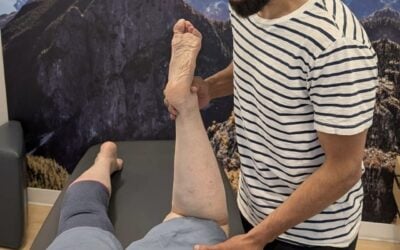
Manual therapy techniques, including gentle joint mobilizations and soft tissue work, help reduce muscle tension and improve circulation around your knee. These hands-on approaches activate your body’s natural pain-relief mechanisms while preventing the development of compensatory movement patterns that often develop when you favour your surgical leg.
Ice application, compression, and elevation remain fundamental tools in the early weeks, but we guide you on proper timing and duration for maximum benefit. Controlled movement, even in the earliest stages, helps modulate pain signals more effectively than complete rest. Your nervous system responds positively to gentle, purposeful movement that respects tissue healing limits.
We also educate you about activity modification during different recovery phases. Understanding which activities to avoid and which movements actually support your recovery helps you make informed decisions throughout your day, reducing pain flare-ups and supporting consistent progress.
What Exercises Help Restore Knee Mobility After Surgery?
Mobility restoration begins immediately after surgery with passive range-of-motion exercises, where we move your knee through specific ranges while you relax your muscles. These early movements prevent adhesion formation and maintain joint nutrition without stressing your healing meniscus tissue.
The established rehabilitation protocols emphasize gradual progression from passive to active movements. We typically start with heel slides and gentle knee-bending exercises that you perform several times daily, focusing on regaining the knee flexion and extension ranges you need for walking and daily activities.
As your recovery progresses, we introduce more dynamic mobility exercises, including gentle stretching for your quadriceps, hamstrings, and calf muscles. These movements address the stiffness that naturally develops after surgery and prevent long-term flexibility limitations that could affect your knee function.
|
Recovery Phase |
Mobility Focus |
Exercise Examples |
|
0-2 weeks |
Gentle passive movement |
Heel slides, ankle pumps |
|
2-6 weeks |
Active range of motion |
Quad sets, hamstring stretches |
|
6-12 weeks |
Dynamic mobility |
Wall slides, stationary bike |
Each exercise progression depends on your individual healing response and surgical specifics. We monitor your range of motion improvements and adjust the program intensity based on how your knee responds to increased movement demands.
How Do We Rebuild Strength and Stability After Meniscus Surgery?
Strength rebuilding focuses primarily on your quadriceps muscle, which typically weakens significantly after knee surgery due to pain inhibition and reduced activity. Research shows that quadriceps strength directly correlates with knee function and your ability to return to normal activities safely.
We begin strength work with isometric exercises—muscle contractions without joint movement. Quad sets, where you tighten your thigh muscle while keeping your leg straight, help reactivate these muscles without stressing your healing meniscus. These exercises also help reduce swelling and improve circulation.
Progressive resistance exercises follow as your recovery allows. Straight leg raises, mini-squats, and step-ups gradually load your knee joint while building the muscle strength you need for walking, climbing stairs, and returning to recreational activities. We carefully monitor your knee’s response to ensure the exercises promote recovery rather than irritation.
Balance and proprioception training become increasingly important as you progress. Your knee joint contains sensors that help your brain understand joint position and movement. Surgery temporarily disrupts this system, and specific balance exercises help retrain these systems for optimal knee stability.
Each strength program reflects your specific goals and activity demands. Whether you’re returning to recreational sports or simply want to walk comfortably, we design your exercises to meet those functional requirements while respecting your recovery timeline.
How Do We Work Together Throughout Your Recovery?
Your recovery success depends on the partnership we build from your first physiotherapy visit. We begin with a comprehensive assessment that examines not just your surgical knee, but your overall movement patterns, strength imbalances, and functional goals. This information shapes every aspect of your treatment plan.
Education forms a central part of our collaborative approach. We explain why specific exercises matter, how to recognize normal recovery responses versus concerning symptoms, and what modifications you should make to your daily activities. This knowledge empowers you to make informed decisions between our sessions and helps you understand your progress markers.
Your home exercise program becomes an extension of our clinic sessions. We teach you proper exercise technique and provide clear progression guidelines so you maintain momentum between appointments. Regular check-ins allow us to adjust your program based on how your body responds and any challenges you encounter.
We also coordinate with your surgical team when necessary, providing progress updates and seeking guidance if your recovery deviates from expected timelines. This communication ensures everyone involved in your care works toward the same goals using consistent approaches.
The frequency and duration of your physiotherapy sessions adapt to your recovery phases and progress. Early recovery typically requires more frequent visits for hands-on treatment and close monitoring, while later phases focus more on exercise progression and functional training with longer intervals between appointments.
Key Takeaways
- Meniscus surgery recovery requires a gradual, phased approach that respects tissue healing timelines to prevent re-injury and ensure optimal outcomes.
- Physiotherapy pain management combines manual therapy, modalities, and controlled movement to reduce discomfort while supporting the recovery process.
- Mobility restoration progresses systematically from passive movements in early recovery to dynamic exercises as recovery allows, preventing long-term stiffness.
- Strength rebuilding focuses on quadriceps reactivation and progressive loading, with specific attention to balance and stability training for optimal knee function.
- A collaborative physiotherapist-patient partnership involving education, personalized exercise programs, and regular progress monitoring optimizes recovery outcomes.
- Recovery timelines typically span 3-6 months for return to full activity, though tissue maturation continues for up to one year post-surgery.
Ready to Start Your Recovery Journey?
If you’re preparing for or recovering from meniscus surgery, professional physiotherapy guidance helps ensure your rehabilitation stays on track while avoiding common pitfalls that can delay your return to normal activities. Our experience with post-surgical knee rehabilitation means we understand both the challenges you’ll face and the most effective strategies to overcome them.
At Expert Physio, we provide the personalized assessment, hands-on treatment, and ongoing support you need for a successful meniscus surgery recovery. Our evidence-based approach respects your recovery timeline while keeping you progressing toward your functional goals.
Don’t navigate your recovery alone. Contact us to schedule your initial assessment and begin building the foundation for your strongest, most confident return to the activities you love.
Frequently Asked Questions
How soon after meniscus surgery should I start physiotherapy?
Most patients begin physiotherapy within 1-2 weeks after surgery, though the exact timing depends on your surgeon’s protocol and the type of repair performed. Early mobilization typically improves outcomes when performed within appropriate limits for your specific surgical procedure.
What types of exercises are involved in meniscus surgery rehabilitation?
Your exercise program progresses through distinct phases, including early range-of-motion exercises, quadriceps strengthening, balance training, and functional movement patterns. The specific exercises and progression timeline depend on whether you had a meniscus repair or removal, as well as your individual recovery response and activity goals.
Should I be concerned if I still have knee pain months after surgery?
Some discomfort during the recovery process is normal, but persistent or worsening pain several months post-surgery warrants evaluation. We help distinguish between expected healing discomfort and signs that may indicate complications or the need for treatment plan adjustments. Ongoing physiotherapy support often addresses lingering issues that prevent complete recovery.