6501 Sprott St #1, Burnaby, BC V5B 3B8, Canada
 604-294-3376
TL;DR
Shockwave therapy uses high-energy acoustic pulses to mechanically fragment calcium deposits in shoulder tendons while simultaneously stimulating blood flow to the area. This dual action creates an active healing environment that supports your body’s natural repair processes, helping to reduce the stone-like pain and stiffness associated with calcific tendonitis.
─────────────────────────────────────────────────
If you’ve been dealing with shoulder calcific tendonitis, you know that feeling all too well. That persistent, stone-like sensation in your shoulder joint that makes even simple movements painful and restricting. You’re not imagining it when you describe it as feeling like there’s literally a rock lodged in your shoulder.
I’ve worked with countless patients experiencing this exact frustration, and I understand how debilitating calcific tendonitis becomes when calcium deposits build up in your shoulder tendons. The good news is that we have effective, non-invasive treatment options available. Shockwave therapy stands out as a particularly promising approach that addresses the root mechanics of your condition.
In this post, I’ll walk you through exactly how shockwave therapy works to break down those stubborn calcium deposits and restore healthy blood flow to support your recovery. You’ll learn what happens during treatment and what you should expect as your shoulder begins to heal.
What Is Shoulder Calcific Tendonitis?
Shoulder calcific tendonitis occurs when calcium phosphate crystals accumulate within your rotator cuff tendons, particularly the supraspinatus tendon. These deposits form solid, chalky masses that create inflammation and restrict normal tendon movement.
The symptoms you experience directly relate to these physical changes in your shoulder structure. The calcium deposits create mechanical irritation against surrounding tissues, leading to sharp pain, stiffness, and that characteristic feeling of having something solid stuck in your joint. You might notice pain worsening at night or when lifting your arm overhead.
Poor blood circulation often accompanies calcific tendonitis, creating a cycle that perpetuates the problem. Reduced blood flow limits the delivery of nutrients and oxygen needed for healthy tissue function while also hampering your body’s ability to naturally break down and remove the calcium deposits.
How Does Shockwave Therapy Work Mechanically?
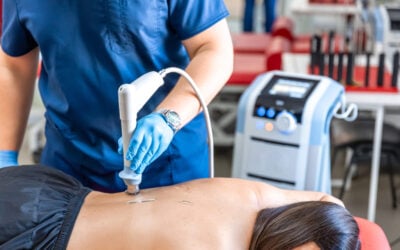
Shockwave therapy delivers focused, high-energy acoustic pulses directly to the affected area of your shoulder. These sound waves travel through your skin and soft tissues to reach the calcium deposits embedded in your tendons.
The mechanical action works similarly to how ultrasonic devices break up kidney stones. The acoustic pulses create rapid pressure changes that cause the calcium deposits to fragment into smaller pieces. This fragmentation process makes the deposits easier for your body’s natural healing mechanisms to process and remove.
During shockwave therapy treatment, you’ll feel a rhythmic tapping sensation as the device applies these controlled acoustic pulses to your shoulder. Each pulse carries enough energy to mechanically disrupt the calcium crystals without damaging surrounding healthy tissues.
Research published in PubMed Central demonstrates that shockwave therapy effectively reduces calcium deposit size in rotator cuff tendons through this mechanical fragmentation process.
How Does Shockwave Therapy Enhance Blood Circulation?
Beyond breaking down calcium deposits, shockwave therapy triggers significant improvements in local blood circulation. The acoustic pulses stimulate the formation of new blood vessels in the treated area, a process called neovascularization.
Enhanced blood flow brings several immediate benefits to your healing shoulder. Fresh blood delivers essential nutrients, oxygen, and healing factors directly to the damaged tissues. Improved circulation also helps flush away inflammatory substances and cellular debris that accumulate around calcium deposits.
This increased vascular activity creates what we call a “hyperemic response” where blood flow to the treated area increases substantially. You might notice your shoulder feeling warmer after treatment, which indicates this enhanced circulation taking effect.
Studies examining the biological effects of shockwave therapy show that these circulatory improvements persist for weeks after treatment, supporting ongoing tissue repair and regeneration.
What Kind of Healing Environment Does Shockwave Therapy Create?
The combination of calcium deposit fragmentation and enhanced blood flow creates an optimal environment for active tissue repair. Think of it as transforming a stagnant, problematic area into a dynamic healing zone.
With calcium deposits broken into smaller fragments, your immune system becomes more effective at recognizing and processing these materials. Specialized cells called macrophages work more efficiently to clear away the fragmented calcium, while other repair cells begin rebuilding healthy tendon structure.
The improved blood supply ensures these healing processes have the resources they need to function optimally. Adequate oxygen levels support cellular metabolism, while nutrients provide building blocks for new tissue formation.
This active healing environment also helps reduce the chronic inflammation that often accompanies calcific tendonitis. As your body successfully processes the calcium deposits and repairs damaged tissues, pain and stiffness typically begin to decrease.
What Should You Expect During and After Shockwave Therapy?
A typical shockwave therapy session lasts approximately 10-15 minutes and requires no anesthesia or special preparation. You’ll lie comfortably while your physiotherapist applies ultrasound gel to your shoulder and positions the shockwave device over the affected area.
Most patients describe the sensation as tolerable, similar to repeated firm tapping. Some areas might feel more sensitive than others, and your therapist adjusts the intensity based on your comfort level and treatment response.
After treatment, you might experience mild soreness or swelling for 24-48 hours. This response indicates your body’s healing processes activating. Applying ice for 10-15 minutes several times daily helps manage any discomfort.
Improvement typically develops gradually over several weeks as your body processes the fragmented calcium deposits and repairs the damaged tissues. Current research protocols often involve multiple treatment sessions spaced one to two weeks apart for optimal results.
Key Takeaways
- Shockwave therapy uses acoustic pulses to mechanically fragment calcium deposits in shoulder tendons, making them easier for your body to process and remove.
- The treatment stimulates new blood vessel formation and increases circulation to the affected area, delivering essential nutrients and oxygen for tissue repair.
- Enhanced blood flow helps flush away inflammatory substances while supporting your body’s natural healing mechanisms.
- The combination of calcium fragmentation and improved circulation creates an active healing environment that reduces pain and stiffness over time.
- Treatment sessions are non-invasive and typically last 10-15 minutes, with improvements developing gradually over several weeks.
- Multiple treatment sessions are usually recommended, spaced one to two weeks apart for optimal therapeutic benefit.
Start Your Recovery Journey Today
If you’re experiencing shoulder pain and stiffness that feels like having a stone in your joint, you don’t have to continue suffering. Understanding how shockwave therapy works mechanically to fragment calcium deposits and restore healthy blood flow is the first step toward effective treatment.
At Expert Physio, we provide comprehensive evaluations to determine if shockwave therapy is the right approach for your specific condition. Our patient-centered treatment plans combine advanced techniques like shockwave therapy with hands-on physiotherapy to address the root causes of your shoulder pain.
Ready to explore your treatment options? Contact us today to schedule your assessment and learn how our evidence-based approach to shoulder physiotherapy supports your return to pain-free movement and restored function.
FAQs
How does shockwave therapy help with shoulder calcific tendonitis?
Shockwave therapy uses high-energy acoustic pulses to mechanically break apart calcium deposits in your shoulder tendons while stimulating increased blood flow to the area. This dual action helps your body naturally process and remove the calcium fragments while creating an environment that supports tissue healing and reduces inflammation.
Is shockwave therapy painful or are there side effects?
Most patients find shockwave therapy tolerable, describing it as firm tapping sensations during treatment. You might experience mild soreness, swelling, or redness for 1-2 days after treatment, which indicates your body’s healing response activating. Serious side effects are rare when treatment is performed by qualified practitioners.
How soon might I notice improvements after shockwave treatment?
Improvements typically develop gradually over 2-6 weeks as your body processes the fragmented calcium deposits and repairs damaged tissues. Some patients notice reduced pain and improved mobility within the first few weeks, while others require the full treatment course of multiple sessions to experience significant benefits. Individual responses vary based on deposit size, location, and your body’s healing capacity.