6501 Sprott St #1, Burnaby, BC V5B 3B8, Canada
 604-294-3376
TL;DR
Shockwave therapy works by breaking down restrictive scar tissue that forms in chronic tennis elbow and stimulates cellular repair mechanisms to encourage healthy tendon regeneration. Research shows that the mechanical energy waves promote increased blood flow, reduce inflammation, and restart the body’s natural healing processes in damaged lateral elbow tendons. When combined with comprehensive physiotherapy care, this treatment approach addresses the root cause of persistent pain and weakness rather than just managing symptoms.
───────────────────────────────────────────────────────
If you’ve been battling chronic tennis elbow for months or even years, you know the frustration of dealing with persistent outer elbow pain that won’t quit. That weak grip strength, the sharp pain when you try to lift a coffee cup, and the constant ache that makes everyday activities difficult. You’ve probably tried braces, rest, anti-inflammatory medications, and countless other remedies without lasting relief.
The problem often lies deeper than surface-level inflammation. Chronic tennis elbow typically involves the formation of restrictive scar tissue that interferes with proper tendon function and prevents your body from healing naturally. This is where shockwave therapy for tennis elbow in Burnaby offers a different approach by targeting the biological processes that keep you stuck in a cycle of pain and dysfunction.
I want to walk you through how shockwave therapy works on a cellular level to support scar tissue remodeling and tendon regeneration, and why this treatment makes sense as part of a comprehensive physiotherapy approach to tennis elbow recovery.
What Is Tennis Elbow and How Does Scar Tissue Affect Recovery?
Tennis elbow, medically known as lateral epicondylitis, is a tendinopathy affecting the tendons that attach to the outer part of your elbow. Despite its name, you don’t need to play tennis to develop this condition. Repetitive gripping, twisting, and lifting motions cause microscopic tears in the tendons that extend your wrist and fingers.
When these tendons are repeatedly stressed without adequate time to heal, your body responds by laying down scar tissue. While scar tissue serves as a temporary patch, it’s structurally different from healthy tendon tissue. Scar tissue is less organized, less flexible, and lacks the strength and elasticity of normal tendon fibers.
This creates several problems for your recovery:
- Restricted tendon movement and reduced flexibility
- Ongoing pain signals from irritated tissue
- Weakened grip strength due to compromised tendon function
- Interference with normal blood flow to the area
- Prevention of proper tendon regeneration
The accumulation of scar tissue essentially traps your elbow in a state of dysfunction, explaining why conventional treatments like rest and bracing often provide only temporary relief without addressing the underlying tissue quality problems.
How Does Shockwave Therapy Break Down Scar Tissue?
Shockwave therapy works through a biological process called mechanotransduction, where mechanical energy waves are converted into cellular responses that promote tissue remodeling. Research published by the National Institutes of Health demonstrates that extracorporeal shock waves create controlled microtrauma that stimulates the breakdown of fibrotic scar tissue.
When acoustic waves pass through the damaged tendon tissue, they create pressure changes that help separate and loosen the dense, restrictive scar tissue fibers. This mechanical disruption doesn’t damage healthy tissue but specifically targets the disorganized collagen formations that characterize problematic scar tissue.
The therapy also triggers important immunoregulatory effects. The controlled mechanical stress activates cellular pathways that reduce chronic inflammation and decrease the production of inflammatory cytokines that contribute to ongoing pain and tissue dysfunction. This helps create a more favorable environment for healing rather than continued scar tissue formation.
Cellular Response to Shockwave Treatment
At the cellular level, shockwave therapy stimulates several key responses:
- Increased production of growth factors that promote tissue repair
- Enhanced cellular metabolism and protein synthesis
- Improved collagen organization and fiber alignment
- Reduction in inflammatory mediators that perpetuate pain
- Activation of stem cells that contribute to tissue regeneration
How Does Shockwave Therapy Support Tendon Regeneration?
Beyond breaking down restrictive scar tissue, shockwave therapy actively promotes the conditions needed for healthy tendon regeneration. The mechanical stimulation increases blood flow and vascularization to the affected area, which is crucial because tendons naturally have poor blood supply.
Studies on extracorporeal shock wave therapy mechanisms show that the treatment enhances angiogenesis, the formation of new blood vessels, which delivers oxygen and nutrients essential for tissue repair. This improved circulation helps remove metabolic waste products that accumulate in chronically injured tendons.
The therapy also stimulates protein biosynthesis, particularly the production of collagen and other structural proteins that form the building blocks of healthy tendon tissue. This cellular activity helps replace the disorganized scar tissue with properly aligned, functional tendon fibers that can handle normal loading and movement patterns.
Importantly, shockwave therapy appears to restart the tendon’s natural healing cascade that often becomes stalled in chronic conditions. By providing the right mechanical stimulus, the treatment helps transition tissues from a chronic inflammatory state to an active repair and remodeling phase.
Why Combine Shockwave Therapy with Comprehensive Physiotherapy Care?
While shockwave therapy addresses the biological aspects of scar tissue remodeling, lasting tennis elbow recovery requires a comprehensive approach that addresses all contributing factors. This is where the expertise of physiotherapy assessment and treatment becomes essential.
During our evaluation, we identify movement patterns, muscle imbalances, and biomechanical issues that may have contributed to your tennis elbow development. These underlying factors need to be addressed alongside the tissue-level healing to prevent re-injury and ensure long-term success.
Our physiotherapy treatment for tennis elbow in Burnaby combines shockwave therapy with:
- Manual therapy techniques to improve joint mobility and reduce muscle tension
- Progressive strengthening exercises to restore proper tendon loading capacity
- Movement retraining to address faulty patterns that stress the lateral elbow
- Education on activity modification and gradual return to function
- Ergonomic assessment and workplace modifications when relevant
This integrated approach ensures that as shockwave therapy helps remodel your scar tissue and promote tendon healing, you’re also building the strength, mobility, and movement skills needed to maintain your recovery.
What Should You Expect During Shockwave Therapy Sessions?
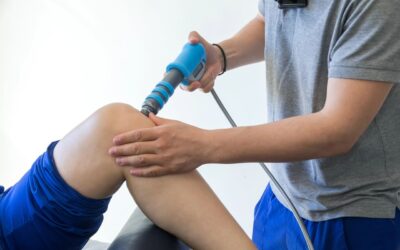
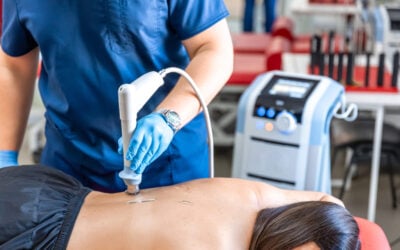
Shockwave therapy sessions typically last 10-15 minutes and involve applying acoustic wave pulses directly to the affected tendon area. Most patients describe the sensation as moderate pressure or tapping, with some discomfort during treatment that quickly subsides.
The treatment protocol usually involves 3-6 sessions spaced one week apart, though this varies based on your specific condition and response to therapy. Some patients notice improvements in pain and function within the first few sessions, while others experience gradual changes over several weeks as tissue remodeling progresses.
It’s important to understand that shockwave therapy works by stimulating natural healing processes rather than providing immediate pain relief like an injection. The biological changes take time to develop, and you may experience some temporary soreness as your tissues respond to treatment.
Between sessions, we’ll guide you through appropriate activities and exercises that support the healing process without overwhelming the recovering tissues. This collaborative approach helps optimize your response to treatment while building the foundation for long-term function.
Key Takeaways
- Chronic tennis elbow pain often results from restrictive scar tissue that prevents proper tendon healing and function.
- Shockwave therapy uses mechanical energy waves to break down scar tissue and stimulate cellular repair mechanisms through mechanotransduction.
- The treatment promotes increased blood flow, reduces inflammation, and encourages the production of healthy collagen to replace damaged tissue.
- Research shows shockwave therapy can restart stalled healing processes and transition chronic conditions into active repair phases.
- Combining shockwave therapy with comprehensive physiotherapy care addresses both tissue-level healing and underlying biomechanical factors.
- Treatment typically involves 3-6 sessions with gradual improvements as tissue remodeling occurs over several weeks to months.
Stop Pain in Its Tracks
If you’re tired of dealing with chronic tennis elbow pain and weakness that isn’t responding to conventional treatments, it’s time to consider a different approach. The combination of shockwave therapy and comprehensive physiotherapy care offers a path toward addressing the root causes of your symptoms rather than just managing them.
At Expert Physio, we specialize in evidence-based treatments that target the biological processes keeping you stuck in cycles of pain and dysfunction. Our team will conduct a thorough evaluation to understand your specific situation and develop a customized treatment plan that may include shockwave therapy as part of your recovery strategy.
Don’t let tennis elbow continue to limit your daily activities and quality of life. Contact us today to schedule a consultation and learn how our collaborative, patient-first approach to physiotherapy and shockwave treatment can help restore your elbow function and get you back to the activities you value most.
FAQs
Does shockwave therapy hurt during treatment?
Most patients experience moderate discomfort during shockwave therapy that feels like firm tapping or pressure over the affected area. The sensation is generally well-tolerated and subsides immediately after treatment. We adjust the intensity based on your comfort level and tissue response to ensure the treatment remains therapeutic rather than painful.
How long does it take to see improvements after shockwave therapy for tennis elbow?
Improvements typically begin within 2-4 weeks of starting treatment, with continued progress over 8-12 weeks as tissue remodeling occurs. Some patients notice reduced pain and improved grip strength after the first few sessions, while others experience more gradual changes. The timeline depends on how long you’ve had symptoms, the extent of scar tissue formation, and your body’s individual healing response.
Can shockwave therapy be used alongside other physiotherapy treatments for chronic tennis elbow?
Yes, shockwave therapy works best when combined with other physiotherapy interventions like manual therapy, progressive strengthening exercises, and movement retraining. This comprehensive approach addresses both the tissue-level healing promoted by shockwave treatment and the biomechanical factors that contributed to your tennis elbow development, leading to more complete and lasting recovery.